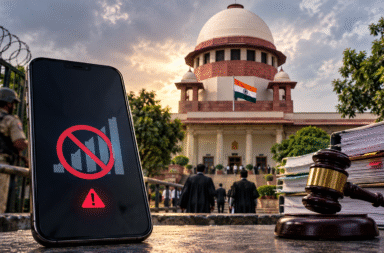
UPI ₹2,000+ merchant fee Diwaliக்கு பிறகு தள்ளிவைப்பு — festive spending-ஐ கருத்தில் கொண்டு முடிவு
இந்தியாவில் ₹2,000-க்கு மேல் செய்யப்படும் சில UPI merchant transactions மீது புதிய merchant fee அறிமுகப்படுத்தும் திட்டம் Diwali பண்டிகைக்குப் பிறகு வரை தள்ளிவைக்கப்பட்டுள்ளது. முதலில் October 15, 2026 முதல் அமலுக்கு வர இருந்த இந்த புதிய கட்டண முறையை, பண்டிகைக் காலத்தில் அதிகரிக்கும் retail spending மற்றும் வணிகர்களின் செயல்பாட்டு சுமையை கருத்தில் கொண்டு ஒத்திவைக்க National Payments Corporation of India (NPCI) முடிவு செய்துள்ளது. புதிய அமல்படுத்தும் தேதி தனியாக அறிவிக்கப்படும்.
இந்த அறிவிப்பை புரிந்துகொள்ளும்போது ஒரு முக்கிய clarification அவசியம். இது ₹2,000-க்கு மேல் UPI அனுப்பும் ஒவ்வொரு customer-க்கும் நேரடியாக fee விதிக்கப்படுகிறது என்று பொருள் அல்ல. முன்மொழியப்பட்டிருப்பது குறிப்பிட்ட Person-to-Merchant (P2M) transactions மீது merchant discount rate, அதாவது MDR வசூலிப்பதாகும். Person-to-Person, அதாவது நண்பர் அல்லது குடும்பத்தினருக்கு பணம் அனுப்பும் சாதாரண UPI transfers இந்த அமைப்பில் சேராது.
October 15 முதல் வர இருந்த கட்டணம்
NPCI முன்பு வெளியிட்ட framework-ன் அடிப்படையில், eligible bank-account-funded UPI merchant payments-க்கு ₹2,000 threshold-ஐ கடந்தால் புதிய MDR நடைமுறைக்கு வர திட்டமிடப்பட்டிருந்தது.
இந்த framework October 15 முதல் செயல்பட இருந்தது. ஆனால் Diwali season நெருங்கியுள்ளதால் rollout தற்போது ஒத்திவைக்கப்பட்டுள்ளது. India-வில் Diwaliக்கு முன் electronics, jewellery, clothing, home appliances, vehicles, gifts உள்ளிட்ட பல retail categories-ல் transaction volume அதிகரிப்பது வழக்கம்.
இந்த நேரத்தில் புதிய merchant cost அறிமுகப்படுத்துவது retailers மற்றும் payment ecosystem-க்கு disruption உருவாக்கலாம் என்ற concern இருந்தது. இதனால் UPI and Services Steering Committee rollout-ஐ festive season முடியும் வரை defer செய்துள்ளது.
புதிய UPI merchant fee எவ்வளவு?
Proposed structure-ன் கீழ் eligible merchant UPI transactions-க்கு 0.4% MDR விதிக்கப்பட உள்ளது.
அதாவது ஒரு eligible transaction ₹2,000 threshold-ஐ கடந்தால் merchant side-ல் குறிப்பிட்ட percentage-based charge உருவாகும்.
மேலும் ஒரு transaction-க்கு MDR ₹300 வரை cap செய்யப்படும் என்று தற்போதைய framework குறிப்பிடுகிறது.
உதாரணமாக ₹5,000 transaction eligible category-ல் இருந்தால் 0.4% என்பது ₹20.
₹10,000 transaction என்றால் ₹40.
₹50,000 transaction என்றால் ₹200.
ஆனால் மிகப்பெரிய transaction-களிலும் proposed cap காரணமாக ₹300-ஐ தாண்டாமல் இருக்க structure அமைக்கப்பட்டுள்ளது.
இவை customer-க்கு நேரடியாக checkout fee ஆக விதிக்கப்பட வேண்டும் என்பதல்ல. இது payment acceptance-க்கு merchant ecosystem-ல் உருவாகும் MDR.
Customer நேரடியாக பணம் செலுத்த வேண்டுமா?
இதுதான் பொதுமக்களிடம் அதிக confusion ஏற்படுத்தும் point.
இல்லை — புதிய proposal-ஐ “₹2,000க்கு மேல் UPI அனுப்பினால் customer-க்கு 0.4% fee” என்று சொல்லுவது தவறு.
MDR என்பது merchant transaction processing charge.
Customer தனது bank account-இலிருந்து merchant QR code-க்கு ₹2,000க்கும் மேல் செலுத்தும்போது merchant ecosystem மீது charge அமையும் வகையில் framework உருவாக்கப்பட்டுள்ளது.
ஆனால் ஒரு merchant தனது increased payment cost-ஐ product pricing மூலம் indirectly absorb அல்லது pass on செய்வாரா என்பது தனி business decision மற்றும் applicable rules-ஐப் பொறுத்த விஷயம்.
அதனால் “UPI users-க்கு புதிய fee” என்று headline எழுதுவதற்குப் பதிலாக “UPI merchant fee” என்று குறிப்பிடுவது மிகவும் துல்லியம்.
P2P transaction-க்கு fee இல்லை
ஒருவர் தனது நண்பர், உறவினர் அல்லது மற்றொரு individual bank account-க்கு UPI மூலம் பணம் அனுப்புவது Person-to-Person (P2P) transaction.
இந்த transaction-களுக்கு புதிய MDR framework பொருந்தாது.
உதாரணமாக:
ஒரு நண்பருக்கு ₹5,000 அனுப்புவது,
குடும்ப உறுப்பினருக்கு ₹10,000 transfer செய்வது,
ஒரு personal bank account-இலிருந்து மற்றொரு personal UPI ID-க்கு transfer செய்வது
போன்ற transactions proposed merchant MDR-ன் கீழ் வருவதில்லை.
இதனால் தினசரி personal money transfer users unnecessary panic அடைய தேவையில்லை.
₹2,000க்கு கீழான payments?
Proposed framework-ன் முக்கிய அம்சங்களில் ஒன்று small-value merchant transactions-ஐ தொடர்ந்து fee-free ஆக வைத்திருப்பதாகும்.
₹2,000 மற்றும் அதற்கு கீழே உள்ள பெரும்பாலான eligible UPI merchant payments மீது MDR இருக்காது என்று வெளியான தகவல்கள் குறிப்பிடுகின்றன.
Industry estimates-படி UPI merchant transactions-ன் volume-ல் 95%-க்கும் அதிகமானவை தொடர்ந்து fee-free ஆக இருக்கக்கூடும்.
இதன் மூலம் tea shop, grocery shop, street vendor, small restaurant போன்ற இடங்களில் நடைபெறும் பெரும்பாலான small-ticket payments தற்போதைய zero-MDR experience-ஐ largely தொடரும் வகையில் structure அமைக்கப்பட்டுள்ளதாக கூறப்படுகிறது.
ஏன் UPI-க்கு மீண்டும் merchant fee?
இந்தியாவில் UPI மிகப்பெரிய digital-payment infrastructure ஆக வளர்ந்துள்ளது.
ஒவ்வொரு transaction பின்னாலும் banks, NPCI, payment service providers, fraud-monitoring systems, cloud infrastructure, reconciliation networks மற்றும் customer-support systems செயல்படுகின்றன.
UPI usage அதிகரித்தபோதும் பல ஆண்டுகளாக merchant transactions-க்கு zero-MDR model பயன்படுத்தப்பட்டது.
Payment ecosystem-ஐ operate மற்றும் scale செய்யும் cost அதிகரித்து வருவதால் sustainable revenue model தேவை என்று banking மற்றும் fintech industry நீண்டகாலமாக வலியுறுத்தி வந்தது.
Proposed MDR system அதற்கான ஒரு பெரிய policy change ஆக பார்க்கப்படுகிறது.
2020 முதல் zero-MDR model
2020 முதல் bank-account-funded UPI மற்றும் RuPay debit card transactions மீது zero-MDR policy முக்கியமாக செயல்பட்டு வந்தது.
இதன் முக்கிய நோக்கம் digital payments-ஐ வேகமாக மக்கள் மத்தியில் கொண்டு செல்வது.
Merchant-க்கு card machine charges போன்ற additional acceptance cost இல்லாமல் QR code வைத்தாலே payment accept செய்ய முடிந்ததால் UPI adoption வேகமாக வளர்ந்தது.
Small shop முதல் large retail chain வரை UPI QR code இந்திய வணிக சூழலில் பொதுவான payment method ஆக மாறியது.
இந்த zero-cost acceptance model தான் UPI growth-ன் முக்கிய காரணிகளில் ஒன்றாக இருந்தது.
இப்போது ஏன் policy மாற்றம்?
UPI ஆரம்ப adoption stage-ஐ கடந்துவிட்டது.
இப்போது அது இந்தியாவின் dominant payment networks-ல் ஒன்றாக உள்ளது.
Transaction volumes மிகப்பெரிய அளவை எட்டியுள்ளதால் technology infrastructure maintain செய்வதற்கான செலவும் அதிகரிக்கிறது.
Banks மற்றும் payment companies transaction processing மூலம் ஒரு sustainable revenue stream பெற வேண்டும் என்பது industry-ன் முக்கிய argument.
ஆனால் merchant fee introduction அதிகமாக இருந்தால் small businesses cash payment-க்கு திரும்பலாம் என்ற counter concern உள்ளது.
இதனால் fee structure எப்படி balance செய்யப்படுகிறது என்பதே முக்கியம்.
Diwali timing ஏன் முக்கியமானது?
Diwali இந்திய retail sector-க்கு மிகப்பெரிய commercial season.
Electronics, jewellery, fashion, automobiles, home furnishing, sweets, gifts மற்றும் e-commerce orders போன்ற பல categories-ல் sales அதிகரிக்கும் காலம் இது.
இந்த peak shopping period-க்கு இரண்டு அல்லது மூன்று வாரங்களுக்கு முன் merchant fee introduce செய்தால் payment systems மாற்றம், merchant accounting, software configuration மற்றும் business pricing ஆகியவற்றில் uncertainty உருவாகலாம்.
இதனால் rollout festive seasonக்கு பிறகு தள்ளப்பட்டது. Reuters தகவல்படி decision-ன் முக்கிய நோக்கங்களில் ஒன்று peak consumer spending period-ல் disruption தவிர்ப்பதாகும்.
வணிகர் அமைப்புகள் ஏன் கவலை தெரிவித்தன?
Retail மற்றும் trade associations புதிய MDR structure குறித்து பல concerns முன்வைத்துள்ளன.
சிறிய profit margin-ல் இயங்கும் merchants-க்கு 0.4% கூட meaningful additional cost ஆக இருக்கலாம்.
ஒரு பெரிய retailer தினமும் பல லட்சம் ரூபாய் UPI payments process செய்தால் percentage-based fee cumulative operating cost-ஐ அதிகரிக்கலாம்.
Fashion, grocery, electronics போன்ற industries-ல் margins வேறுபடும்.
அதனால் ஒரே fee structure அனைத்து sectors-க்கும் பொருந்துமா என்ற கேள்வியும் எழுந்துள்ளது.
Retail organisations threshold மற்றும் merchant categories குறித்து adjustments கோரியுள்ளதாக reports தெரிவிக்கின்றன.
₹2,000 threshold குறித்து debate
Proposed threshold ₹2,000.
அதாவது higher-value eligible merchant transactions தான் முக்கியமாக புதிய MDR framework-ல் வர உள்ளன.
ஆனால் ₹2,000 என்பது இன்றைய retail environment-ல் பெரிய transaction அல்ல என சில merchants வாதிடுகின்றனர்.
ஒரு family restaurant bill,
clothing purchase,
supermarket monthly shopping,
electronics accessory,
medical expense
போன்ற transactions மிகவும் எளிதாக ₹2,000 threshold-ஐ கடக்கலாம்.
இதனால் threshold-ஐ உயர்த்த வேண்டும் என்ற demands சில trade groups இடமிருந்து வந்துள்ளன.
Small merchants மீது impact?
Small merchants-க்கு biggest concern margin.
ஒரு shop ₹5,000 product விற்றாலும் அந்த product-ல் அவருக்கு கிடைக்கும் actual profit ₹5,000 அல்ல.
Wholesale cost, rent, salary, electricity, logistics மற்றும் tax போன்ற செலவுகள் இருக்கும்.
அந்த transaction-க்கு மேலாக digital acceptance fee சேரும்போது net margin சிறிதளவு குறையும்.
Individual transaction-ல் fee குறைவாகத் தோன்றினாலும், மாதத்திற்கு ஆயிரக்கணக்கான transactions process செய்யும் merchant-க்கு அது sizable expense ஆக மாறலாம்.
Cash மீண்டும் அதிகரிக்குமா?
இந்த policy debate-ல் எழும் மற்றொரு கேள்வி — MDR காரணமாக சில merchants cash-ஐ prefer செய்வார்களா?
UPI zero-cost acceptance தான் merchants-ஐ digital transactions நோக்கி வேகமாக மாற்றிய முக்கிய காரணம்.
Fee introduction காரணமாக “cash preferred” அல்லது “UPI minimum transaction” போன்ற informal practices உருவாகக்கூடுமா என்பது கவலை.
ஆனால் proposed framework பெரும்பாலான low-value payments-ஐ fee-free வைத்திருப்பதால் இந்த impact எவ்வளவு இருக்கும் என்பதை implementation பிறகே தெளிவாக மதிப்பிட முடியும்.
Fintech companies-க்கு என்ன பயன்?
Payment ecosystem-ல் banks மற்றும் payment companies பல ஆண்டுகளாக UPI transactions process செய்தாலும் transaction-level revenue மிகவும் குறைவாக உள்ளது.
MDR introduction revenue visibility உருவாக்கலாம்.
இந்த வருவாய் transaction infrastructure, cyber security, fraud prevention, dispute resolution மற்றும் network scaling ஆகியவற்றுக்கு உதவும் என்பது industry argument.
Rollout deferment announcementக்கு பிறகு சில listed digital-payment companies-ன் shares positive movement காட்டியதாக market reports தெரிவித்தன.
Google Pay, PhonePe users என்ன செய்ய வேண்டும்?
Ordinary user perspective-ல் உடனடியாக செய்ய வேண்டிய மாற்றம் எதுவும் இல்லை.
UPI apps வழக்கம் போலவே பயன்படுத்தலாம்.
Google Pay, PhonePe, Paytm அல்லது bank UPI apps மூலம் merchant QR payment செய்வது தற்போது தொடர்ந்து நடைபெறும்.
October 15 முதல் automatically customer account-ல் 0.4% extra debit ஆகும் என்ற புரிதல் தவறு.
NPCI rollout-ஐ Diwaliக்கு பிறகு defer செய்துள்ளது; revised implementation date இன்னும் அறிவிக்கப்படவில்லை.
Revised date எப்போது?
இதுவரை official statement-ல் exact implementation date அறிவிக்கப்படவில்லை.
“After Diwali” என்பதே தற்போதைய confirmed timeline.
சில industry reports rollout January 2027 வரை செல்லலாம் என்று earlier expectations தெரிவித்திருந்தாலும், NPCI revised date-ஐ தனியாக அறிவிக்கும் என்று கூறியுள்ளது. எனவே January என்று இப்போதே final date எழுதுவது சரியாகாது.
Merchant preparationக்கு கூடுதல் நேரம்
Delay காரணமாக merchants புதிய pricing structure-ஐ understand செய்ய அதிக நேரம் கிடைக்கும்.
Payment providers software systems update செய்யலாம்.
Banks settlement models adjust செய்யலாம்.
Accounting platforms புதிய charges-ஐ reflect செய்யலாம்.
Retailers operational impact கணக்கிடலாம்.
அதனால் festive season delay என்பது consumer spending consideration மட்டுமல்ல; technical preparation window ஆகவும் செயல்படுகிறது.
₹2,000 payment split செய்வது solutionஆ?
Fee நடைமுறைக்கு வந்த பிறகு சிலர் ₹4,000 bill-ஐ இரண்டு ₹2,000 transactions ஆக split செய்யலாமா என்ற கேள்வி எழலாம்.
ஆனால் payment rules-ஐ bypass செய்வதற்காக transaction splitting செய்வது recommended approach அல்ல.
NPCI final implementation guidelines, eligibility rules மற்றும் merchant-category treatment வெளியான பிறகு தான் practical details தெளிவாகும்.
Consumer perspective-ல் bill amount மற்றும் accepted payment method அடிப்படையில் normal transaction செய்வதே சரியானது.
Credit card UPI இதே ruleஆ?
UPI ecosystem-ல் bank-account payments, RuPay credit-card-on-UPI, prepaid instruments உள்ளிட்ட பல funding sources உள்ளன.
ஒவ்வொரு payment type-க்கும் interchange மற்றும் merchant fee structure ஒரே மாதிரியாக இருக்காது.
தற்போதைய முக்கிய policy discussion eligible bank-account-funded P2M UPI payments குறித்தது.
எனவே “எல்லா UPI payment-க்கும் ஒரே 0.4% rule” என்று பொதுவாக கூறக்கூடாது.
UPI-ன் பெரிய scale
UPI இன்று இந்தியாவில் small-value digital payments-ன் அடிப்படை infrastructure-ஆகிவிட்டது.
Grocery வாங்குவது முதல் taxi fare, restaurant bill, tuition fee, online purchase என பல payment situations-ல் UPI பயன்படுத்தப்படுகிறது.
500 million-க்கும் அதிகமான மக்கள் UPI ecosystem-ஐ பயன்படுத்துவதாக Reuters குறிப்பிட்டுள்ளது.
இந்த scale காரணமாக ஒரு சிறிய pricing change கூட consumers, merchants, banks மற்றும் fintech companies அனைவருக்கும் பெரிய தாக்கம் கொண்டதாகிறது.
Consumer spending பாதுகாப்பதே immediate priority
Festive seasonக்கு முன்பாக புதிய transaction cost அறிமுகப்படுத்துவது consumer sentiment-ஐ பாதிக்கக்கூடும் என்ற concern policy makers மற்றும் trade sector-ல் இருந்தது.
Merchant மீது fee இருந்தாலும், வணிகர் அதை தனது pricing அல்லது discounts-ல் reflect செய்தால் consumer spending indirectly பாதிக்கப்படலாம்.
Diwali sales இந்திய retail economy-க்கு முக்கியம் என்பதால் implementation postpone செய்வது short-term stability measure ஆக பார்க்கப்படுகிறது.
இது cancellation அல்ல
முக்கியமாக நினைவில் வைக்க வேண்டியது:
UPI merchant fee திட்டம் ரத்து செய்யப்படவில்லை.
அது தள்ளிவைக்கப்பட்டுள்ளது.
Current decision rollout date மாற்றுவது மட்டுமே.
Eligible ₹2,000+ P2M transactions மீது proposed MDR framework Diwaliக்குப் பிறகு அமலுக்கு வர உள்ளது; exact date later notification மூலம் தெரிவிக்கப்படும்.
Current situation — simple explanation
இப்போது ஒரு customer கடையில் ₹3,000 UPI payment செய்தால் புதிய 0.4% MDR உடனடியாக அமலுக்கு வரவில்லை.
October 15 முதல் தொடங்க இருந்த implementation postpone செய்யப்பட்டுள்ளது.
Diwaliக்கு பிறகு NPCI புதிய effective date அறிவிக்கும்.
அந்த implementation வந்த பிறகும் இது customer-to-customer transfer fee அல்ல.
இது eligible merchant payments-க்கு தொடர்புடைய MDR.
Final Takeaway
UPI-யில் ₹2,000க்கு மேல் செய்யப்படும் சில merchant payments மீது 0.4% MDR கொண்டு வர இருந்த திட்டம் festive season காரணமாக Diwaliக்கு பிறகு தள்ளிவைக்கப்பட்டுள்ளது.
முதலில் October 15 முதல் நடைமுறைக்கு வர இருந்த fee structure தற்போது அந்த தேதியில் தொடங்காது.
முக்கியமாக:
₹2,000+ எல்லா UPI transfer-க்கும் customer fee இல்லை.
Person-to-Person payments fee-free.
Proposed charge eligible Person-to-Merchant transactions-க்கு.
MDR rate 0.4%, transaction ஒன்றுக்கு அதிகபட்சம் ₹300 என்ற proposed framework உள்ளது.
UPI merchant transactions-ன் 95%-க்கும் அதிகமான volume தொடர்ந்து fee-free ஆக இருக்கும் என எதிர்பார்க்கப்படுகிறது.
Exact post-Diwali implementation date இன்னும் அறிவிக்கப்படவில்லை.
இதனால் Diwali shopping season-ல் shoppers மற்றும் merchants தற்போதைய UPI payment system-ஐ major pricing change இல்லாமல் தொடர்ந்து பயன்படுத்த முடியும். அடுத்த முக்கிய update NPCI வெளியிடும் revised implementation date ஆக இருக்கும்.
— அரசு பார்வை செய்திப் பிரிவு