AI/Tech sell-off ஆசிய சந்தைகளை உலுக்கியது — South Korea Kospi 8%, Japan Nikkei சுமார் 5% சரிவு
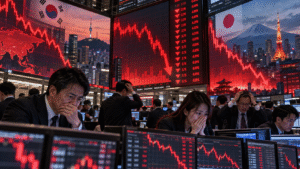
உலகளாவிய AI மற்றும் semiconductor பங்குகளில் உருவாகிய கடுமையான விற்பனை அழுத்தம் இன்று ஆசிய பங்குச்சந்தைகளை பெரிதும் பாதித்துள்ளது. குறிப்பாக South Koreaவின் Kospi சுமார் 8% வரை சரிந்தது, Japanவின் Nikkei 225 சுமார் 4.8%–5% வரை வீழ்ந்தது. அதிக மதிப்பீட்டில் இருந்த AI, chip மற்றும் technology பங்குகளில் முதலீட்டாளர்கள் ஒரே நேரத்தில் risk குறைக்கத் தொடங்கியதே இந்த சரிவின் மைய காரணமாக உள்ளது.
South Korea சந்தையில் selling pressure மிக வேகமாக அதிகரித்ததால் trading safeguards செயல்படுத்தப்பட்டன. Kospi 8% அளவுக்கு சரிந்து 5,528 புள்ளிகளுக்கு அருகில் முடிந்தது; இது தொடர்ந்து ஏழாவது trading-session decline ஆகும். Samsung Electronics சுமார் 9.7%வும், AI memory-chip giant SK Hynix சுமார் 11.35%வும் சரிந்தன. Foreign investors ஒரே நாளில் சுமார் 2.9 trillion won மதிப்பிலான South Korean equities-ஐ விற்றதாகவும் தகவல்கள் தெரிவிக்கின்றன.
AI boom மீது முதலீட்டாளர்கள் ஏன் திடீரென பயப்படுகிறார்கள்?
கடந்த சில ஆண்டுகளாக AI infrastructure, data centres, semiconductors, high-bandwidth memory, GPUs மற்றும் cloud computing தொடர்பான நிறுவனங்கள் மிகப்பெரிய valuation gains பெற்றன. AI demand பல ஆண்டுகள் தொடர்ந்து வேகமாக வளரும் என்ற எதிர்பார்ப்பு இந்த பங்குகளுக்கு premium valuation கொடுத்தது.
ஆனால் இப்போது investor question மாறியுள்ளது. “AI growth இருக்குமா?” என்ற கேள்வியைவிட, “இந்த growthக்கு நாம் இவ்வளவு அதிகமான price கொடுக்க வேண்டுமா?” என்பதே சந்தையின் முக்கிய சந்தேகமாக மாறியுள்ளது. Interest rates அதிகமாக இருந்தால் எதிர்காலத்தில் கிடைக்கக்கூடிய earnings-ன் present value குறையும். அதனால் அதிக valuation கொண்ட growth stocks முதலில் pressure சந்திக்கின்றன.
US inflation data முக்கிய trigger
இந்த global sell-offக்கு உடனடி trigger அமெரிக்க inflation data. September மாத US consumer inflation ஆண்டு அடிப்படையில் 3.7% உயர்ந்தது; August மாதத்தில் அது 3.4% இருந்தது. எதிர்பார்த்ததைவிட inflation அதிகமாக வந்ததால் US Federal Reserve மீண்டும் rates உயர்த்த வேண்டிய சூழல் வருமா என்ற சந்தேகம் உருவானது.
Higher rates technology companiesக்கு இரண்டு விதமாக negative. Borrowing cost அதிகரிக்கும்; அதே சமயம் future earnings மீது investors பயன்படுத்தும் discount rateவும் அதிகரிக்கும். இதனால் high-growth, high-valuation AI stocks மீதான அழுத்தம் வேகமாக அதிகரித்தது.
Wall Street-ல் ஆரம்பித்த pressure Asia வரை வந்தது
ஆசிய சந்தைகளின் வீழ்ச்சி தனிப்பட்ட regional event அல்ல. அதற்கு முன்பு Wall Street மூன்றாவது நாளாகவும் சரிந்தது. Nasdaq Composite சுமார் 1.9%, S&P 500 சுமார் 1.1% வீழ்ந்தன. Nvidia சுமார் 3.2%, Broadcom 3.1%, AMD 5.7% சரிந்தன. இந்த US tech weakness அடுத்த நாள் Asian semiconductor stocks மீது நேரடியாக தாக்கம் ஏற்படுத்தியது.
உலக chip supply chain ஒன்றுடன் ஒன்று நெருக்கமாக இணைந்துள்ளது. US AI-chip companies சரிந்தால் Korea memory-chip companies, Japan semiconductor equipment makers, Taiwan foundries ஆகியவற்றிலும் sentiment உடனடியாக பாதிக்கப்படும்.
Kospi ஏன் மிக அதிகமாக சரிந்தது?
South Korea market AI boomக்கு மிக அதிக exposure கொண்ட சந்தைகளில் ஒன்று. Samsung Electronics மற்றும் SK Hynix போன்ற semiconductor giants Kospi index-ல் மிகப்பெரிய weight வைத்துள்ளன.
Particularly SK Hynix AI serversக்கு தேவைப்படும் high-bandwidth memory chips மூலம் AI investment cycleன் முக்கிய beneficiaryஆக இருந்தது. Samsungவும் memory மற்றும் semiconductor cycleக்கு மிகப்பெரிய exposure கொண்ட நிறுவனம். இந்த இரண்டு heavyweight stocks double-digitக்கு அருகில் சரிந்ததால் entire index கீழே இழுக்கப்பட்டது.
SK Hynix 11% மேல் சரிவு
SK Hynix சுமார் 11.35% சரிந்தது. AI boom காரணமாக கடந்த காலத்தில் மிக வேகமாக உயர்ந்த stocks இப்போது profit-taking மற்றும் valuation resetக்கு முதலில் இலக்காகின்றன.
AI demand itself collapse ஆகிவிட்டது என்று இதனால் அர்த்தமில்லை. ஆனால் HBM demand, pricing, capital expenditure மற்றும் future competition குறித்து investors அதிகமாக caution காட்டத் தொடங்கியுள்ளனர்.
Samsung Electronics சுமார் 10% சரிவு
Samsung Electronics சுமார் 9.7% கீழே சென்றது. ஒரு single trading dayக்கு இது மிகவும் பெரிய move.
Samsung smartphone company மட்டும் அல்ல. Memory chips, semiconductor manufacturing, displays மற்றும் electronics ecosystem அனைத்திலும் பெரிய player. அதனால் global technology sentiment மோசமடையும் போது Samsung stock broader market risk indicator போல நடக்கிறது.
Circuit breaker ஏன் trigger ஆனது?
Kospi வீழ்ச்சி மிக வேகமாக இருந்ததால் South Korean exchange circuit breaker mechanismஐ activate செய்தது. Market panic ஒரு குறிப்பிட்ட அளவை தாண்டும்போது tradingஐ தற்காலிகமாக நிறுத்துவது இந்த mechanismன் நோக்கம்.
இதனால் investorsக்கு orders reassess செய்ய சில நேரம் கிடைக்கும். Algorithmic மற்றும் leveraged selling தொடர்ந்து snowball ஆகாமல் தடுப்பதும் இதன் ஒரு நோக்கம்.
Circuit breaker வந்தது சந்தை collapse ஆனது என்று பொருள் அல்ல; அது extreme volatilityயை manage செய்ய exchange பயன்படுத்தும் safety mechanism.
Japan Nikkeiயும் கடுமையாக சரிந்தது
Japanவின் Nikkei 225 சுமார் 4.8%–5% சரிந்தது. AI ecosystemக்கு exposure கொண்ட Japanese tech companies selling pressureக்கு உள்ளானது. SoftBank Group சுமார் 9.4%, Tokyo Electron 7.3%, Kioxia Holdings சுமார் 11.2% சரிந்ததாக reports காட்டுகின்றன.
Japan marketக்கும் AI-theme rally கடந்த மாதங்களில் பெரிய support கொடுத்தது. அந்த same theme reverse ஆனபோது losses மிக வேகமாக deepened.
SoftBank ஏன் அதிகமாக பாதிக்கப்பட்டது?
SoftBank Group global technology investments மற்றும் AI ecosystem உடன் அதிகமாக தொடர்புடையது. AI infrastructure மற்றும் semiconductor growth மீது அதன் strategy heavily exposedஆக இருப்பதால் market sentiment change ஆகும் போது share-price reaction கூட amplified ஆகலாம்.
Investor risk appetite குறையும் சூழலில் SoftBank போன்ற high-beta technology names வேகமாக sell-off சந்திப்பது unusual அல்ல.
Tokyo Electron மீது chip-cycle pressure
Tokyo Electron semiconductor fabrication equipment தயாரிக்கும் உலகின் முக்கிய நிறுவனங்களில் ஒன்று.
AI chips அதிகம் தயாரிக்க fabs expand செய்யும்போது equipment suppliersக்கு orders அதிகரிக்கும். ஆனால் semiconductor capital expenditure slowdown வருமா என்ற பயம் உருவானால் equipment makers உடனடியாக re-rated ஆகலாம்.
இதனால் AI chip producer மட்டும் அல்லாமல் chip-making equipment companiesக்கும் sell-off பரவியுள்ளது.
Taiwanக்கும் தாக்கம்
Taiwan Taiex சுமார் 3%க்கும் மேல் சரிந்தது. TSMC பங்கும் earnings வெளியீட்டிற்கு முன் சுமார் 2%க்கு மேல் கீழே சென்றது. Asia semiconductor chain முழுவதும் ஒரே நேரத்தில் pressure சந்தித்திருப்பதை இது காட்டுகிறது.
TSMC AI accelerators மற்றும் advanced chips தயாரிப்பில் முக்கிய foundry என்பதால் global AI demand sentimentக்கு மிகவும் sensitive.
China, Hong Kong கூட red
இந்த sell-off Korea மற்றும் Japan மட்டுமல்ல. China CSI 300 சுமார் 1.8% வரை வீழ்ந்ததாகவும், tech-heavy Star 50 சுமார் 2.4% சரிந்ததாகவும் reports கூறுகின்றன. Hong Kong Hang Sengவும் சுமார் 1% கீழே சென்றது.
ஆனால் Korea மற்றும் Japan losses அதிகமாக இருந்ததற்குக் காரணம் அவற்றின் benchmark indicesல் semiconductor மற்றும் AI-related heavyweightsக்கு அதிக weight இருப்பது.
Asia-Pacific indexக்கும் பெரிய அழுத்தம்
MSCI Asia-Pacific ex-Japan index ஒரு கட்டத்தில் 3.3% வரை சரிந்தது. இது ஒரு நாட்டின் தனிப்பட்ட problem அல்லாமல் regional risk-off move என்பதை காட்டுகிறது.
Institutional investors technology exposure reduce செய்யும்போது பல நாடுகளின் stocks ஒரே நேரத்தில் விற்கப்படும். குறிப்பாக ETFs மற்றும் index-linked funds இந்த correlationஐ அதிகரிக்கலாம்.
Leveraged ETFs sell-offஐ அதிகரித்ததா?
South Korea marketல் leveraged products மற்றும் ETF flows volatilityஐ amplify செய்திருக்கலாம் என்று analysts குறிப்பிடுகின்றனர். Leveraged ETFs index moveஐ multiple அளவில் replicate செய்ய முயற்சிப்பதால் markets வேகமாக move ஆகும்போது rebalancing flows கூடுதல் selling உருவாக்கலாம்.
இதனால் ஆரம்பத்தில் fundamental concern காரணமாக வந்த decline, market mechanics காரணமாக இன்னும் பெரிய moveஆக மாறலாம்.
AI bubble debate மீண்டும் தீவிரம்
AI stocks குறித்த முக்கிய debate “bubble இருக்கிறதா?” என்பதுதான். AI technology real demand கொண்டது என்றதில் சந்தையில் பெரிய disagreement இல்லை. Data centres கட்டப்படுகின்றன, GPU demand அதிகம், cloud companies capital expenditure செலவிடுகின்றன.
ஆனால் investor concern வேறு: AI infrastructureக்கு செலவாகும் hundreds of billions of dollarsக்கு return எப்போது கிடைக்கும்? அந்த revenue current stock valuations justify செய்யுமா?
இந்த uncertainty அதிகமானபோது premium valuations compress ஆகத் தொடங்குகின்றன.
Broadcom CEO comments sentimentஐ பாதித்தது
Broadcom CEO Hock Tan சமீபத்தில் AI investment enthusiasm குறித்து cautionary comments தெரிவித்தது chip stocks sentimentக்கு கூடுதல் அழுத்தமாக அமைந்தது. AI investment environment சில இடங்களில் “casino” மாதிரி speculative behaviour காட்டுகிறது என்ற அவரது கருத்து, investors already nervousஆக இருந்த நேரத்தில் வந்ததால் broader chip sell-offக்கு fuel ஆனது.
இதனை “AI industry collapse” என்ற predictionஆக எடுத்துக்கொள்ளக் கூடாது. இது capital allocation மற்றும் expectations மிக அதிகமாக இருக்கலாம் என்ற warning.
China chip competition புதிய concern
Chinese memory-chip maker CXMT technology progress பற்றிய செய்திகள் Samsung, SK Hynix மற்றும் Micron போன்ற established memory players மீது future pricing pressure வருமா என்ற concern உருவாக்கியுள்ளது.
AI boom காரணமாக memory demand அதிகமாக இருந்தாலும், supply competition அதிகரித்தால் margins எதிர்பார்த்த அளவுக்கு இருக்காமல் போகலாம்.
இந்த combination — high valuation + competition + higher interest rates — semiconductor stocksக்கு difficult mix.
High interest rates AI stocksக்கு ஏன் problem?
ஒரு AI company அல்லது chip company அடுத்த 5–10 ஆண்டுகளில் பெரிய profits செய்யும் என்று investors எதிர்பார்க்கலாம்.
Interest rates lowஆக இருக்கும்போது future profitsக்கு இன்று அதிக value கொடுக்க முடியும்.
Interest rates highஆக இருந்தால் அந்த future profits discounted value குறையும்.
அதனால் “long-duration growth stocks” எனப்படும் tech names valuation pressure சந்திக்கும்.
இதுதான் current market moveன் முக்கிய financial logic.
Rate cut எதிர்பார்ப்பு rate hike பயமாக மாறுகிறதா?
கடந்த சில மாதங்களாக investors US Federal Reserve rates குறைக்கும் என்று எதிர்பார்த்திருந்தனர்.
ஆனால் inflation மீண்டும் strongஆக இருந்தால் cut தாமதமாகலாம்; worst-caseல் rate hike பற்றிய discussion கூட வரலாம்.
Fed futures marketல் அடுத்த meetingல் 25-basis-point hike probability அதிகரித்ததாக market data காட்டியது.
Expectation shift மட்டுமே equity valuationsஐ வேகமாக மாற்ற முடியும்.
Oil price கூட inflation concernக்கு fuel
Global energy prices இன்னும் elevated levelல் இருப்பதும் inflation outlookக்கு கூடுதல் risk.
Brent crude $100க்கு மேல் இருப்பது transport, manufacturing மற்றும் consumer prices மீது future pressure ஏற்படுத்தலாம்.
Energy inflation நீடித்தால் central banks rates highஆக வைத்திருக்க வேண்டிய காலம் நீளலாம். அது tech valuationsக்கு negative.
Safe-haven assetsக்கு investors நகர்ந்தனர்
Equities sell-off ஆகும்போது investors generally government bonds, certain currencies அல்லது cash போன்ற lower-risk assetsக்கு move செய்வார்கள்.
இந்த sessionலும்கூட bond prices உயர்ந்து yields சில இடங்களில் கீழே வந்தன. இது equity risk-off sentimentக்கு typical response.
ஒரு முக்கிய nuance: inflation காரணமாக rate expectations initially yieldsஐ உயர்த்தினாலும், panic equity selling safe-haven bond buyingஐ உருவாக்க முடியும்.
Foreign investors Koreaவிலிருந்து வெளியேறினர்
Foreign investors சுமார் 2.9 trillion won South Korean shares விற்றதாக Reuters தெரிவித்தது. இது dollar termsல் சுமார் $2.15 billion.
Foreign selling domestic index pressureஐ அதிகரிக்கும். குறிப்பாக heavyweight semiconductor names foreign institutional holdings அதிகம் கொண்டிருந்தால் அதன் effect இன்னும் பெரியதாக இருக்கும்.
Korean wonக்கும் அழுத்தம்
Equity outflow அதிகரிக்கும்போது foreign investors shares விற்று capital வெளியே எடுத்துச் செல்லலாம். இது local currency மீது pressure உருவாக்கும்.
அதனால் won weakening கூட market stressன் மற்றொரு indicator.
Stock market decline மட்டும் அல்லாமல் currency மற்றும் bond marketsல் movement இருக்கிறதா என்பதைப் பார்ப்பது broader financial stress புரிந்துகொள்ள உதவும்.
Kospi இந்த ஆண்டில் முன்னதாக மிக வேகமாக உயர்ந்தது
2026ல் Kospi ஒரு கட்டத்தில் AI optimism காரணமாக மிகப்பெரிய rally கண்டது. Reuters தகவல்படி, இவ்வாண்டு இன்னும் சுமார் 31% higherஆக இருந்தாலும் June record highஇலிருந்து roughly 39% கீழே வந்துள்ளது.
இதனால் current decline ஒரு isolated one-day crash அல்ல; earlier extreme rallyக்கு பின்னர் ஏற்பட்ட major correctionன் பகுதியும் ஆகும்.
Seven straight sessions losses
Kospi தொடர்ந்து ஏழு trading sessions சரிந்துள்ளது. இது September 2024க்கு பிறகு மிக நீண்ட losing streak என்று Reuters தெரிவித்தது.
ஒரு single bad dayவிட repeated selling investor confidence குறைவதைக் காட்டலாம்.
ஆனால் seven-day fallக்குப் பிறகு short-covering அல்லது technical rebound வர வாய்ப்பும் marketல் எப்போதும் இருக்கும்; அது guaranteed அல்ல.
“Crash” என்ற வார்த்தையை பயன்படுத்தலாமா?
8% single-day fall பொதுவாக market commentaryல் “plunge”, “rout”, “crash” போன்ற வார்த்தைகளால் விவரிக்கப்படலாம்.
ஆனால் long-term economic collapse என்று அதனால் அர்த்தமில்லை.
Stock markets short periodல் மிக அதிக volatility காட்டலாம்.
ஒரு index 8% விழுவது serious event, ஆனால் அது அந்த நாட்டின் economy 8% சுருங்கிவிட்டது என்பதல்ல.
AI demand actually குறைந்ததா?
தற்போதைய sell-offக்கு AI demand sudden collapseஆகியதாக தெளிவான evidence இல்லை.
TSMC போன்ற companies இன்னும் strong AI-related demand மற்றும் high revenues report செய்கின்றன.
Current market move fundamentals deterioration மட்டும் அல்ல; valuation repricing + interest-rate fears + profit-taking + positioning ஆகியவை சேர்ந்து உருவாக்கியது என்ற analyst view உள்ளது.
இதனால் business demand மற்றும் stock price இரண்டையும் ஒரே விஷயமாக பார்க்கக்கூடாது.
Stock price மற்றும் company performance வேறு
ஒரு company record profit announce செய்தாலும் share price கீழே போகலாம்.
ஏன்?
Market அதை இன்னும் அதிகமாக எதிர்பார்த்திருக்கலாம்.
Future growth guidance குறைவாக இருக்கலாம்.
Valuation already too highஆக இருக்கலாம்.
Interest-rate environment மாறலாம்.
அதனால் “stock fell = company failing” என்ற equation தவறு.
Semiconductor stocks ஏன் volatile?
Chip industry historically cyclical.
Demand boom வரும்.
Capacity build செய்யப்படும்.
Supply increase ஆகும்.
Pricing pressure வரும்.
Inventory adjust ஆகும்.
பின்னர் புதிய cycle தொடங்கும்.
AI boom இந்த cycleஐ strongerஆக மாற்றியிருக்கலாம்; ஆனால் cyclicality completely disappear ஆகவில்லை.
India சந்தைக்கு என்ன impact?
Asian risk-off mood இந்திய சந்தைகளுக்கும் sentiment pressure கொடுக்கலாம். Foreign institutional investors global risk reduce செய்தால் emerging markets முழுவதிலும் selling ஏற்பட வாய்ப்பு உள்ளது.
Particularly Indian IT, semiconductor-linked, electronics manufacturing மற்றும் high-valuation technology stocks மீது global tech weakness psychological pressure ஏற்படுத்தலாம்.
ஆனால் India index move domestic earnings, oil prices, rupee, FPI flows மற்றும் local institutional buying போன்ற factorsஆலும் தீர்மானிக்கப்படும். Korea 8% விழுந்ததால் Indiaவும் அதே அளவு விழ வேண்டும் என்ற direct relationship இல்லை.
Indian IT stocks ஏன் கவனிக்கப்படும்?
Indian IT companies US corporate spendingக்கு அதிக exposure கொண்டுள்ளன.
Higher US rates மற்றும் growth uncertainty business technology budgets மீது concern உருவாக்கலாம்.
மேலும் Nasdaq weakness Indian IT sentimentக்கு short-term negative cue ஆக செயல்படலாம்.
ஆனால் semiconductor manufacturing companies மற்றும் IT-services companies business models வேறு; இரண்டையும் ஒரே AI basket போல treat செய்யக்கூடாது.
Retail investors panic செய்ய வேண்டுமா?
ஒரு நாள் 5–8% market decline visually frightening.
ஆனால் investment decisions headline மட்டும் வைத்து எடுக்கக்கூடாது.
Individual company valuation, earnings, debt, portfolio diversification மற்றும் investment horizon முக்கியம்.
Particularly leveraged trading அல்லது borrowed-money positions இப்படிப்பட்ட volatilityல் அதிக risk கொண்டவை.
Dip வாங்க வேண்டிய நேரமா?
Current decline automatically “buying opportunity” என்று சொல்ல முடியாது. அதேபோல் “AI stocks எல்லாம் முடிந்துவிட்டது” என்பதும் மிகைப்படுத்தல்.
Market bottom எப்போது வரும் என்பதை real timeல் reliably identify செய்வது கடினம்.
AI-related companies ஒவ்வொன்றின் revenue model, valuation மற்றும் balance sheet வேறு.
அதனால் entire sectorக்கு ஒரே verdict பொருந்தாது.
Long-term investors எதை கவனிக்க வேண்டும்?
AI capital expenditure actual revenue generate செய்கிறதா?
Data-centre demand தொடருகிறதா?
HBM pricing எப்படி உள்ளது?
Chip inventory levels என்ன?
US interest rates எந்த directionல் செல்கின்றன?
Corporate earnings estimates cut செய்யப்படுகிறதா?
இந்த signals தான் one-day price actionவிட long-term pictureக்கு முக்கியம்.
Traders எதை கவனிப்பார்கள்?
Short-term tradersக்கு volatility indicators, circuit-breaker levels, currency movement, US futures, Treasury yields மற்றும் semiconductor index direction முக்கியமாக இருக்கும்.
Particularly Wall Street next session stabilization ஏற்படுகிறதா என்பதே Asiaவில் next-day sentimentக்கு பெரிய cue.
US futures இன்னும் negative
Asian session நடைபெறும் நேரத்தில் S&P 500 மற்றும் Nasdaq futuresலும் negative indications காணப்பட்டன. இதனால் current risk-off mood US open வரை தொடருமா என்ற uncertainty இருந்தது.
Wall Street stabilize ஆனால் Asia marketsக்கு relief கிடைக்கலாம். Selling தொடர்ந்தால் volatility இன்னும் நீடிக்கலாம்.
Current Market Snapshot
October 15, 2026 intraday/closing updates அடிப்படையில் South Korea Kospi சுமார் 8% சரிந்தது; Japan Nikkei சுமார் 4.8%–5% கீழே சென்றது. Samsung Electronics சுமார் 9.7%, SK Hynix சுமார் 11.35%, SoftBank சுமார் 9%, Tokyo Electron சுமார் 7%, Kioxia சுமார் 11% வரை வீழ்ந்தன. Taiwan Taiex சுமார் 3%க்கும் மேல் சரிந்தது; Hong Kong மற்றும் mainland China indicesலும் selling pressure காணப்பட்டது.
Final Takeaway
ஆசிய சந்தைகளில் இன்று நடந்த பெரிய sell-offக்கு ஒரு காரணம் மட்டும் இல்லை. AI மற்றும் semiconductor stocks அதிக valuationக்கு சென்றது, hotter-than-expected US inflation, Federal Reserve rates மீண்டும் உயரலாம் என்ற பயம், elevated energy prices, foreign investor selling மற்றும் leveraged market positioning ஆகியவை ஒன்றாக சேர்ந்து risk-off wave உருவாக்கியுள்ளன.
இதில் South Korea மிக அதிகமாக பாதிக்கப்பட்டது. Kospi சுமார் 8% சரிந்து circuit breaker trigger ஆனது; Samsung மற்றும் SK Hynix கடுமையாக வீழ்ந்தன. Japanவின் Nikkeiயும் சுமார் 5% கீழே சென்றது.
ஆனால் இதை “AI business முடிந்துவிட்டது” என்று பொருள் கொள்ள முடியாது. தற்போதைய market message அதிகமாக இதுதான்: AI growth மீது நம்பிக்கை இன்னும் இருக்கலாம்; ஆனால் அந்த growthக்கு investors கொடுக்கத் தயாராக இருக்கும் valuation இப்போது குறைந்து வருகிறது.
அடுத்த முக்கிய சோதனை Wall Street tech stocks stabilize ஆகிறதா, US inflation/rate expectations எவ்வாறு மாறுகின்றன, AI companies earnings இந்த உயர்ந்த expectationsஐ justify செய்கிறதா என்பதே.
— அரசு பார்வை செய்திப் பிரிவு